BSRA 2026 Poster - aka "the citrate cycle is actually a bicycle" ⟨ΔΨm⟩
This contains the details of the poster being displayed at BSRA 2026 in Oxford.
Unlike the poster it also includes links to papers which are implicitly referred to in the poster itself.
Abstract
The network of independent research has been considering whether AI can provide predictions as to the splicing isoforms
that arise from a given level of nuclear acetylation and to what this affects NMD
and other quality control systems, how histone methylation counts the level of transcription activity,
what are the factors that identify an ideal level of cellular iron and how this affects people supplementing
with testosterone and how gout can be mitigated.
Introduction
There have always been independent researchers. One effect of the internet is to enable people with a rarer common interest
to get in contact with each other and discuss things.
The author participates in a number of these, including Rapamycin News and the Gerontology Research Group. At times original research
is done jointly by participants such as some joint sponsoring of worm experiments by Rapamycin users and a member of the GRG Professor
John Cramer has agreed to undergo the first human experiments by Mitrix Bio in mitochondrial transplantation.
Use of AI - status of poster
AI has been used for searching, also for some of the infographic generation and also to do an academic review, but not for writing or generating hypotheses. It is accepted that much of what appears in this poster is
not proven although some of it is. Its broader role is as to present a mechanistic hypothesis of the ageing and development process. Further information
is available on the 2024 and 2025 BSRA poster web pages.
Genomic Failure Hypothesis
The Genomic Failure Hypothesis is that the genome fails to produce the necessary proteins for good health (either at all or the wrong balance of splicing isoforms). This is because of a mixture of
two factors driving citrate efflux from mitochondria:
- The average mitochondrial membrane potential (⟨ΔΨm⟩). I hypothesise that, in some cellular contexts, reductions
in ⟨ΔΨm⟩ contribute to reduced citrate production or export and thereby constrain citrate-derived nuclear acetyl-CoA.
- The level of expression of the citrate carrier which is affected by Interleukin-10 in SASP through the Janus Kinase.
TCA BiCycle
It can, therefore, be argued that the importance of citrate efflux from the mitochondria means that the citrate cycle should be considered as a bicycle with two interlinked wheels,
one of which is the canonical TCA cycle and the other of which is the non-canonical TCA cycle.
A non-canonical tricarboxylic acid cycle underlies cellular identity
Preservation of mitochondrial membrane potential is necessary for lifespan extension from dietary restriction
chatGPT search on senescence as a result of failed differentiation
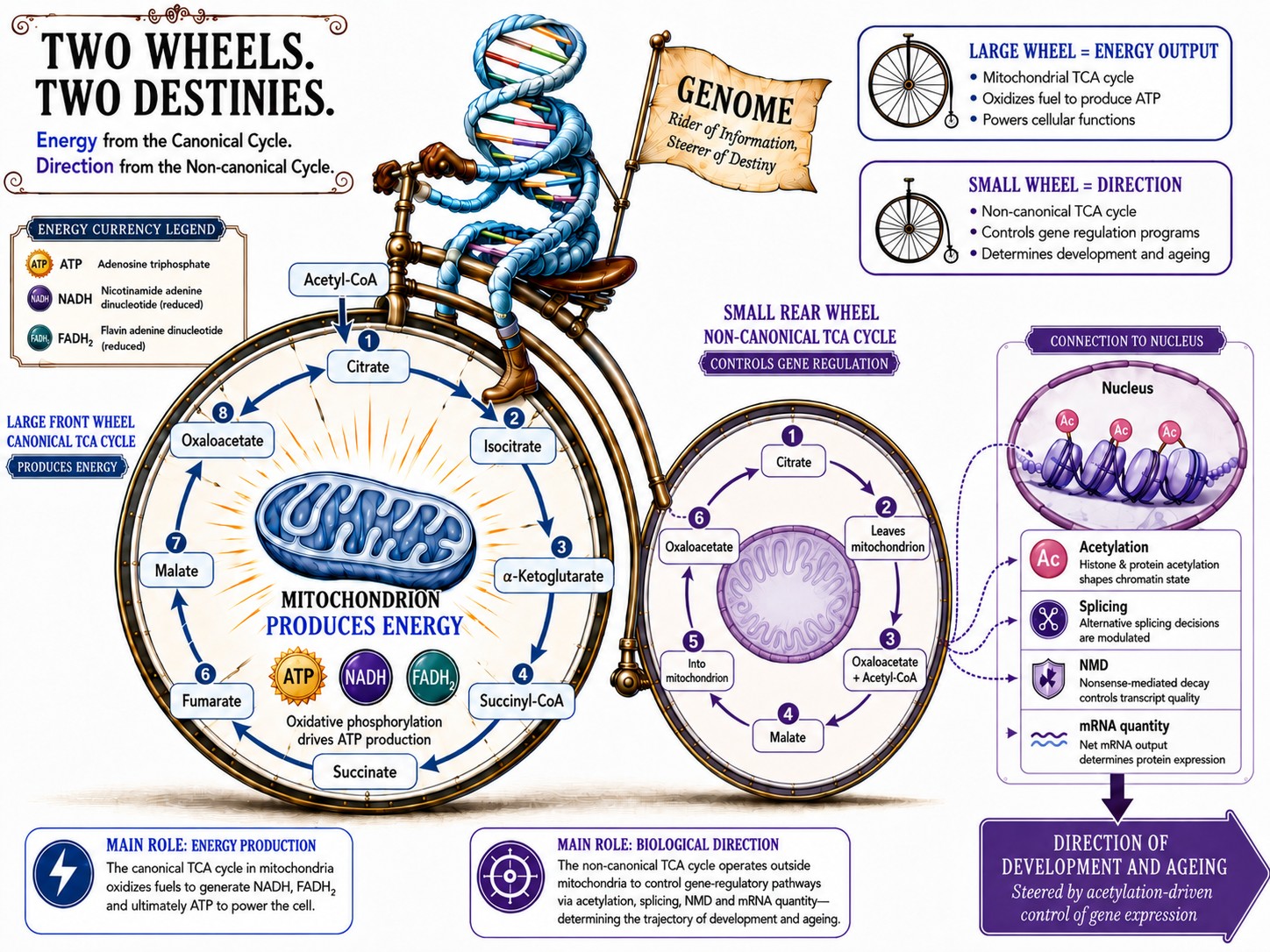
AI, splicing and gene expression
The Genomic Failure Hypothesis posits that acetylation is the key post-translational modification (PTM) that drives both development (lying behind hormonal changes) and ageing.
On a day-to-day basis ⟨ΔΨm⟩ lies behind acetylation levels via the export of citrate to the nucleus (either via the cytosol or directly to the nucleus).
As a result of the translocation of acetylated ACLY to the nucleus, it can contain locally regulated acetyl-CoA production and consumption, creating functionally distinct microenvironments despite continuity with the cytosol.
A key question, therefore, is how this affects mRNA splicing fate decisions and whether or not genes are expressed. The role of acetylation in opening up DNA to be transcribed
through the electrostatic effects of acetylation is well known. There are, however, a number of factors that make the relationship between ⟨ΔΨm⟩ and acetylation
non-linear. The first in sequence is the fact that the balance between citrate3- and protonated citrate 2- (the specie that leaves the mitochondria via the citrate carrier SLC25A1)
is strongly affected by the matrix pH. At the physiological pH this can vary substantially with a small shift in pH. As the mitochondrial efficiency reduces then the
pH of the intermembrane space increases and on the back of that because the proton motive force adjusts delta pH to respond to an adjustment in membrane potential the matrix becomes
more alkaline and the proportion of protonated citrate is reduced. Following that once the citrate is converted to acetyl-CoA and available in the nucleus there are non-linear electrostatic effects
as more lysines become acetylated. At a point the histone is sufficiently acetylated to recruit the bromodomain-containing protein and that opens things up further.
The literature argues that histone acetylation itself has a bigger effect on splicing fate decisions than the acetylation of splicing factors (which, of course has its own effects).
We, therefore, come to a complex question as to how ⟨ΔΨm⟩ could be used to predict splicing isoform decisions. This does not seem to be something
that could be done other than using machine learning to train a model to do the predictions. As it currently stands the required data is not available.
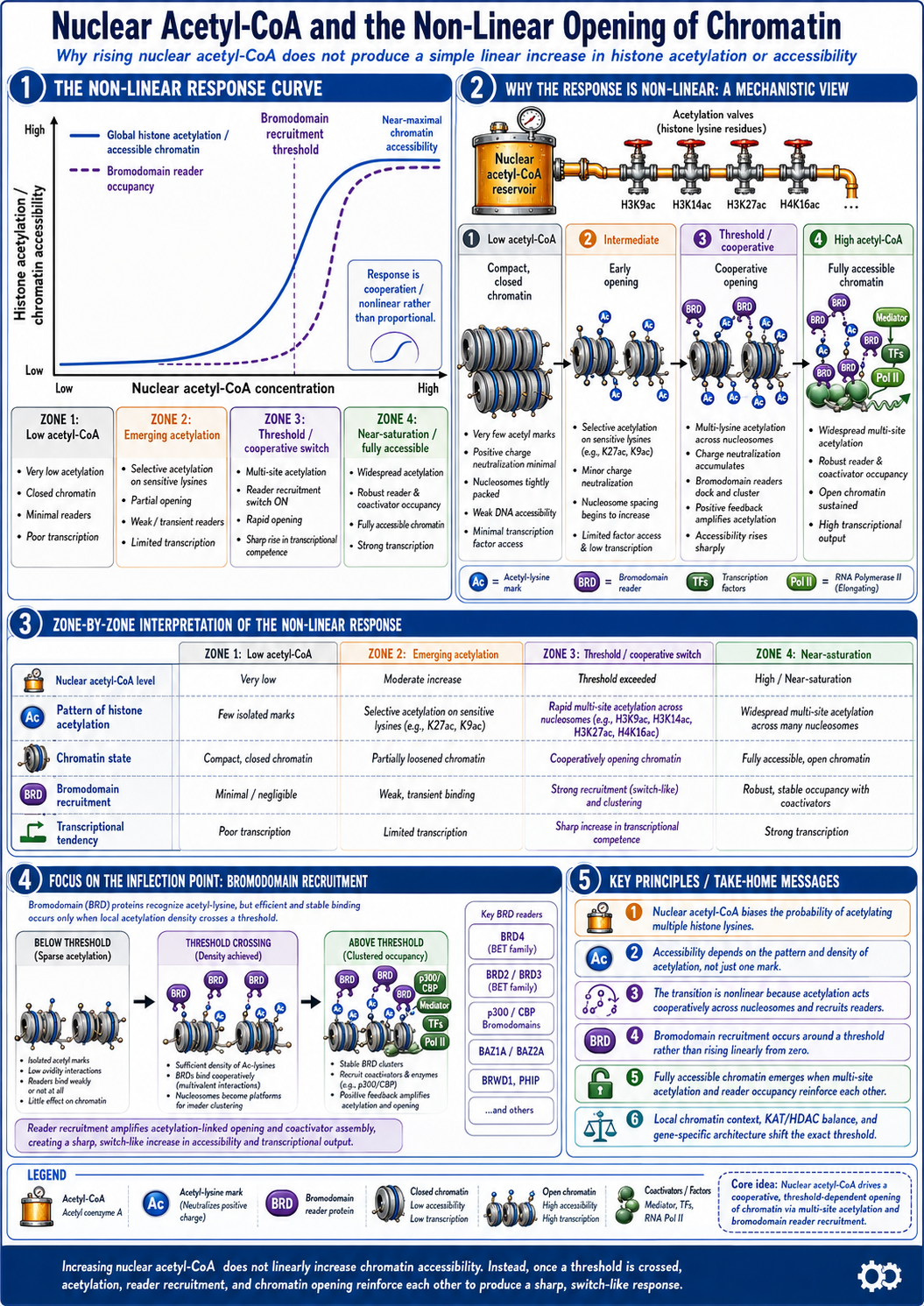
Conceptual model-not a measured dose-response curve
Mechanistic hypothesis drives synergistic interventions
The above hypothesis assists in determining synergistic interventions as it is possible to look at how they intervene in the pathway through mtDNA damage and senescence via citrate metabolism into acetylation as a PTM. Preventing mtDNA damage, destroying damaged mtDNA, making mitochondria more efficient, directly increasing cytosolic acetyl-CoA and inhibiting protein deacetylation can all have a synergistic effect.
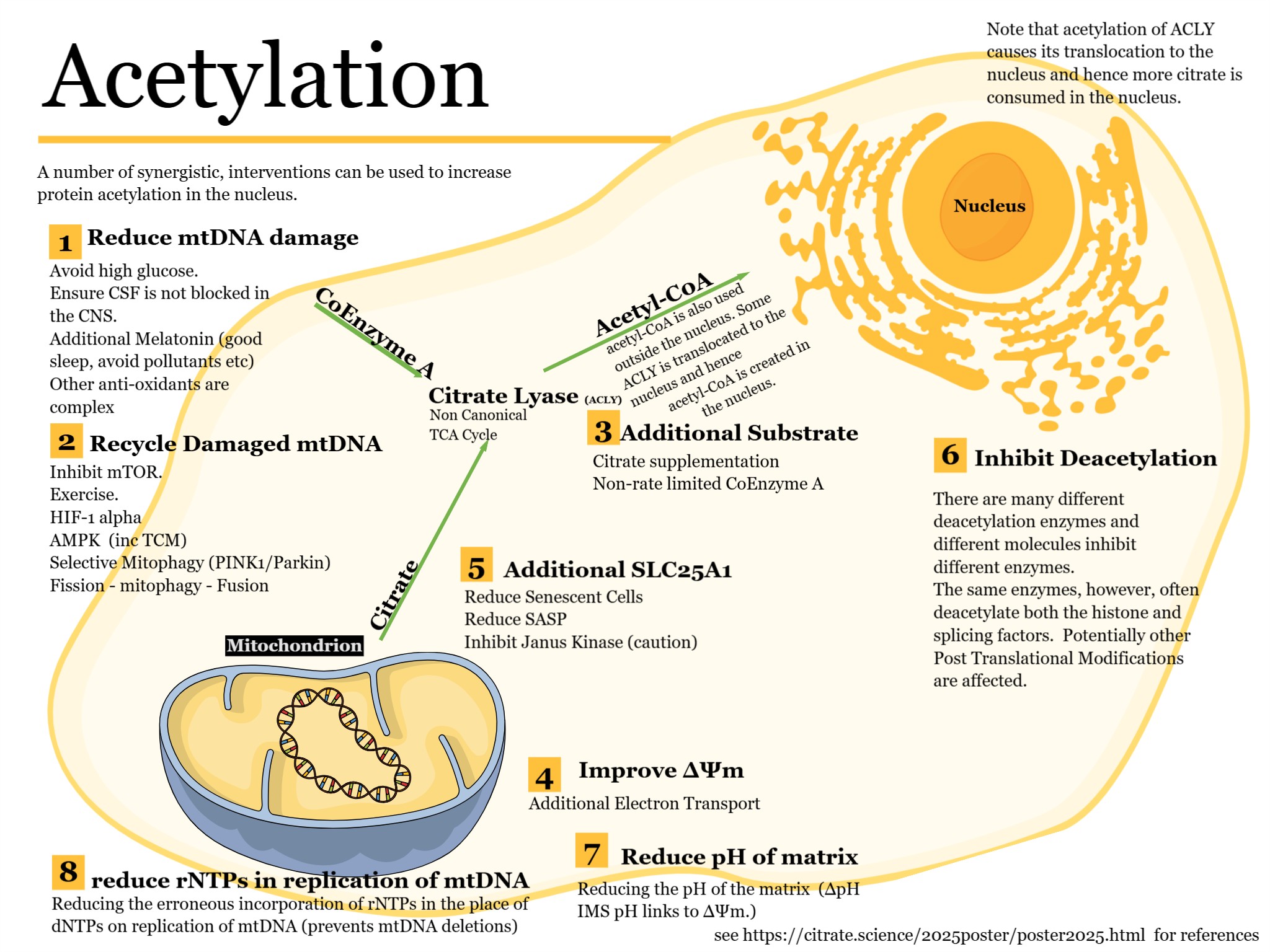
See also the 2024 and 2025 posters:
2024 Poster
2025 Poster
Pointer not a clock
A logical conclusion of ⟨ΔΨm⟩ lying behind the ageing process is that it is measured in millivolts rather than seconds. Its role is more similar
to that of a pointer in a computer system which acts to identify which is the next instruction to execute. Logically, therefore, it should be considered more as a pointer in the genetic software that
has been written by evolution. In that sense rejuvenation is a process of moving the pointer rather than reversing time.

Accelerated ageing and the ageing trajectory
A consequence of the Genomic Failure Hypothesis is that the state of ⟨ΔΨm⟩ at conception will not be a constant. In essence, therefore,
the driver of the ageing trajectory will be different for different individuals. There are a number of diseases which share links to either mitochondrial DNA mutations or
to variations in splicing. These, however, have the pattern of diseases that would be caused by a lower ⟨ΔΨm⟩
at conception. This also affects the prevalence of cancer which is generally thought to be a disease influenced by ageing.
Diseases not generally thought to be part of diseases of ageing
- Mitochondrial diseases
- Endometriosis
- Autoimmune diseases
- Autistim Spectrum Disorder
Neurodegenerative Diseases which show signs of being a result of mitochondrial failure
- Parkinsons
- Amyotrophic lateral sclerosis / Motor Neurone Disease
- Alzheimers
The mtDNA germline is driven by multigenerational influences. There do appear to be reports of an increase in numbers of people having the symptoms of accelerated ageing. However,
for those people the options for intervening to improve acetylation remain and it may be arguable that for people who perhaps have a greater risk of facing accelerated
ageing earlier interventions may merit investigation to mitigate this at an earlier stage.
Sodium valproate may cause birth defects through interfering with follicular atresia.
Societal problems and the ageing and development pointer
Increases in the diseases of ageing and an associated reduction in fertility (although some social changes linked to technology also undermine families) are having a broader
effect on society which will only increase. That means taking action to mitigate these issues is not something that should be put off to be dealt with in the future.
Hutchinson-Gilford progeria syndrome and acetylation
p300 nucleocytoplasmic shuttling underlies mTORC1 hyperactivation
in Hutchinson-Gilford progeria syndrome (HGPS) is a paper which was published in January 2024. It perhaps goes to a mechanistic
explanation of HGPS. The paper argues that an increase in acetylation from a mislocalisation of the p300 HAT
to the cytosol reduces autophagy and hence this causes the HGPS phenotype. However, obviously the mislocalisation of p300
would also tend to reduce nuclear acetylation which would give a consistent mechanistic explanation for the accelerated aging
HGPS phenotype.
Histone Methylation as a counter and a count down
A lot of attention has been focussed on DNA methylation. However, the role of histone methylation is perhaps more important in driving gene expression than DNA methylation. However,
as it is dynamic and can be pro-transcriptional on some lysines and anti-transcriptional on other residues it perhaps is not as useful in determining a static position. However,
looking at the combination of methylation and acetylation as they combine to control gene expression in a similar manner to valves controlling the flow of water is interesting. One thing
to note about methylation is that each methyl group can be added or removed at a different time. Hence it has the role of a counter. As methyl groups are removed, for example,
from Lysine 4 on Histone H3 (H3K4) the gene becomes less likely to be expressed. This gives rise to a system to determine the dormancy of a particular gene. Once a gene becomes dormant it is more
likely to have its DNA methylated. Interestingly because α-ketoglutarate (AKG) is a substrate of the demethylation enzymes dormant genes are more likely to be resuscitated when the mitochondria signal a
surfeit of ATP through AKG export. Similarly acetylation can also be seen as a mechanism to balance the use of energy between transcription and translation. For example
when a very strong KDAC/HDAC inhibitor is used this can cause apoptosis through ATP depletion. The balance between acetylation and deacetylation is key for the cell to function correctly.
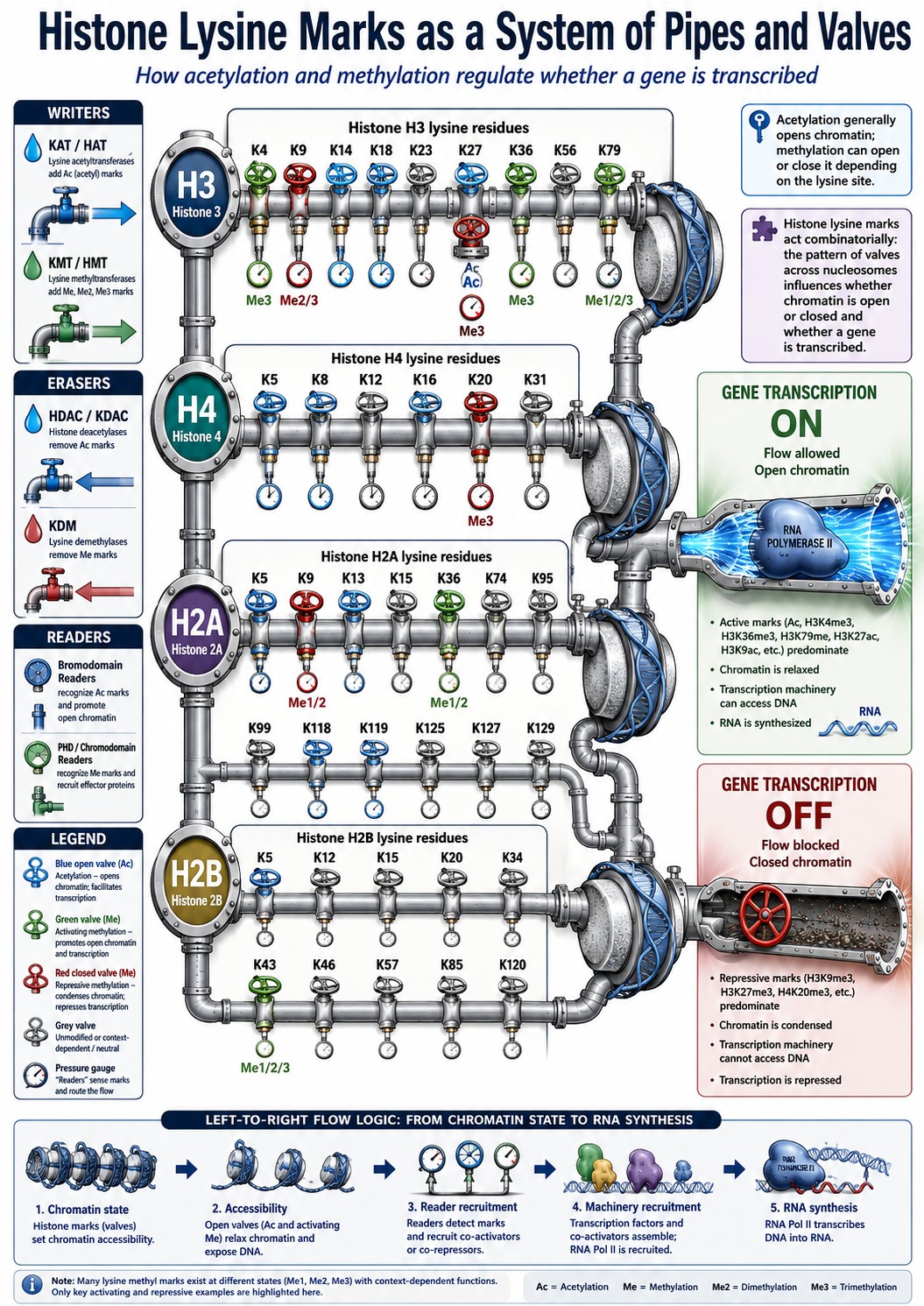
Transcription Homeostasis
In August 2025 a preprint was published Declines in mRNA synthesis set the rate of organismal aging which showed that
transcription starts are managed by the cell controlling the availability of RNA Polymerase II. The system of control is a mixture of processes. One is the limits on availability of RNA Pol II subunits which goes down over
time. This may be a result of splicing changes and a movement towards NMD in the Ribosome thereby also causing stalling. However, there is also a control system of degrading RNA Pol II as a result of transcription stalling.
A previous paper Degradation of DNA damage-independently stalled RNA polymerase II is independent of the E3 ligase Elc1
showed that it did not require DNA damage to cause the degradation of RNA Pol II. Obviously it is clear that the availability of HAT/KATs is a factor in preventing stalling, but I would
of course argue that the key control here is availabilty of acetyl-CoA. I produced a further infographic on this.

The degradation pathways for RBP-1 and RBP-2 are similar and the fact that some papers report on RBP-1 and others on RBP-2 does not undermine this analysis.
The 2025 preprint is worth reading. I have put a summary and analysis of this paper on Rapamycin News here
This paragraph was added after the poster was printed 7/9/26.
Iron and Ferritin
The Rapamycin users group (Rapamycin.news) has spent some time discussing what the ideal level of Iron is for the body. Low iron has been found to stimulate a form of mitophagy
whilst high iron can inhibit autophagy by blocking late autophagic flux. Although serum ferritin is not a perfect indicator of cellular levels of iron as it can be subject to other factors such
as liver disease, inflammation and infection, it is often used not necessarily in isolation, as a marker to use for target levels of iron. What is curious, but not surprising is that the ideal level
of Ferritin in the body varies for different purposes. A General Practitioner of medicine will look for levels of 30 μg/L to avoid anaemia. However, a neurologist will want
to maintain sufficient iron for the Dopamine pathways in the brain (tyrosine hydroxylase) and with the challenge of the Blood Brain Barrier will be looking for at least 75 μg/L and might target 100. At the same time, however, keeping
Ferritin otherwise as low as possible seems best not least to maximise autophagy. Males have a problem with keeping iron levels under control although giving blood or even doing frequent
blood tests will cause a reduction in Iron levels that may require supplementation.
Lactoferrin is a supplement that a number of Rapamycin users are experimenting with. It is, however, not clear as to exactly what effects it has as this does seem to vary
from individual to individual. People who supplement with testosterone often face problems with HCT and need to be careful about iron levels.
It Is not fully established that CR reducing Iron in mice is the pathway towards extension of lifespan, but there are arguments for it. See papers
Iron: an underrated factor in aging - Rapamycin news
Iron: an underrated factor in aging
Caloric restriction reverses left ventricular hypertrophy through the regulation of cardiac iron homeostasis in impaired leptin signaling mice
Overexpression of Ssd1 and calorie restriction extend yeast replicative lifespan by preventing deleterious age-dependent iron uptake
Iron Deficiency Anemia: Evaluation and Management
Evidence-based and consensus clinical practice guidelines for the iron treatment of restless legs syndrome/Willis-Ekbom disease in adults and children: an IRLSSG task force report
Loss of iron triggers PINK1/Parkin-independent mitophagy
Iron overload inhibits late stage autophagic flux leading to insulin resistance
Vitamin D3 - a complex vitamin/hormone/transcription factor - creating an annual cycle
There are often debates as to whether D3 is a longevity vitamin. It is complex because it has many different roles in the body
including as a transcription factor. In fact it is the second metabolite 1,25-dihydroxyvitamin D3 (Calcitriol, 1,25(OH)2D3) that is the active form. This
is created by the Kidneys from 25-hydroxyvitamin D3 (Calcifediol, 25(OH)D3). That itself is created in the liver from Vitamin D3 (Cholecalciferol).
An interesting question is why evolution has programmed many creatures to rely on such a substance. The author's hypothesis is that it creates an annual cycle to determine when food is
more readily available and when it is less readily available. Optional genes then only transcribe when there is more food around.
A standard blood panel will measure the levels of 25(OH)D3 in the blood. As the author of this paper now has four years of
standard blood panels with a result almost every week it has been possible to monitor changes in 25(OH)D3.
Given that food can contain D3, 25(OH)D3 and negligible 1,25(OH)2D3 and sunlight can also generate D3 the link to
diet and sunlight is complex.
Research has already pointed to limits on conversion from D3 to 25(OH)D3. Supplementation has been used for D3 and 25(OH)D3. The author
found a slight increase in the conversion D3 to 25(OH)D3 when fasting, but generally to keep the 25(OH)D3 serum levels above
150 nmol/L requires supplementation with 25(OH)D3 directly, even doubling from 3,000 IU a day to 6,000 IU a day had no noticeable impact. Otherwise serum levels gradually drop to around 90 nmol/L. Although
D3 is known to be stored in adipose tissue, the author found high doses of D3 disrupted sleep and concluded it was mildly toxic. Hence research with a bolus dose monthly may not be ideal. The author found the
levels of 25(OH)D3 to be rapidly responsive to reductions in D3 and 25(OH)D3 which implies no cushioning from that stored in fat tissue at least above 90 nmol/L.
Vitamin D (as 1,25(OH)2D3) has been found to encourage autophagy hence the question is asked whether more supplementation with 25(OH)D3 does actually have
longevity benefits by making higher levels of 25(OH)D3 possible and hence 1,25(OH)2D3. Questions as to the relationship between 25(OH)D3 levels and 1,25(OH)2D3 production
remain to be answered. However, higher levels of D3 have been found to discourage autophagy hence perhaps caution as to excessive D3 is advised.
The main conclusion, however, is that it is hard to predict for any one individual what the 25(OH)D3 level will be without testing.
Vitamin D supplementation, 25-hydroxyvitamin D concentrations, and safety
The importance of pH in ageing and specifically gout
pH has surprisingly low levels of attention compared to other aspects of ageing. pH is of course critical for epigenetics as the electrostatic effects that drive epigenetics
would not operate normally outside the relevant physiological pH range. An interesting superficial paradox is that acidic faecal matter and alkaline urine are both beneficial for longevity.
There is some lobby for an alkaline diet and it tends to fit with the need not to have too high an acid load. One aspect of citrate salt supplementation is that it is relatively
alkaline and will switch urinary pH to an alkaline pH within 2 hours of citrate supplementation. It is relatively easy to test urinary pH multiple times during the day. Litmus strips
are a cheap way of doing this which may not be that high a resolution, but are at least accurate (within the limited resolution). There is little that can be found in the literature about particularly high urinary
pH, but with citrate supplementation it can be seen at high as pH 10 and possibly slightly higher.
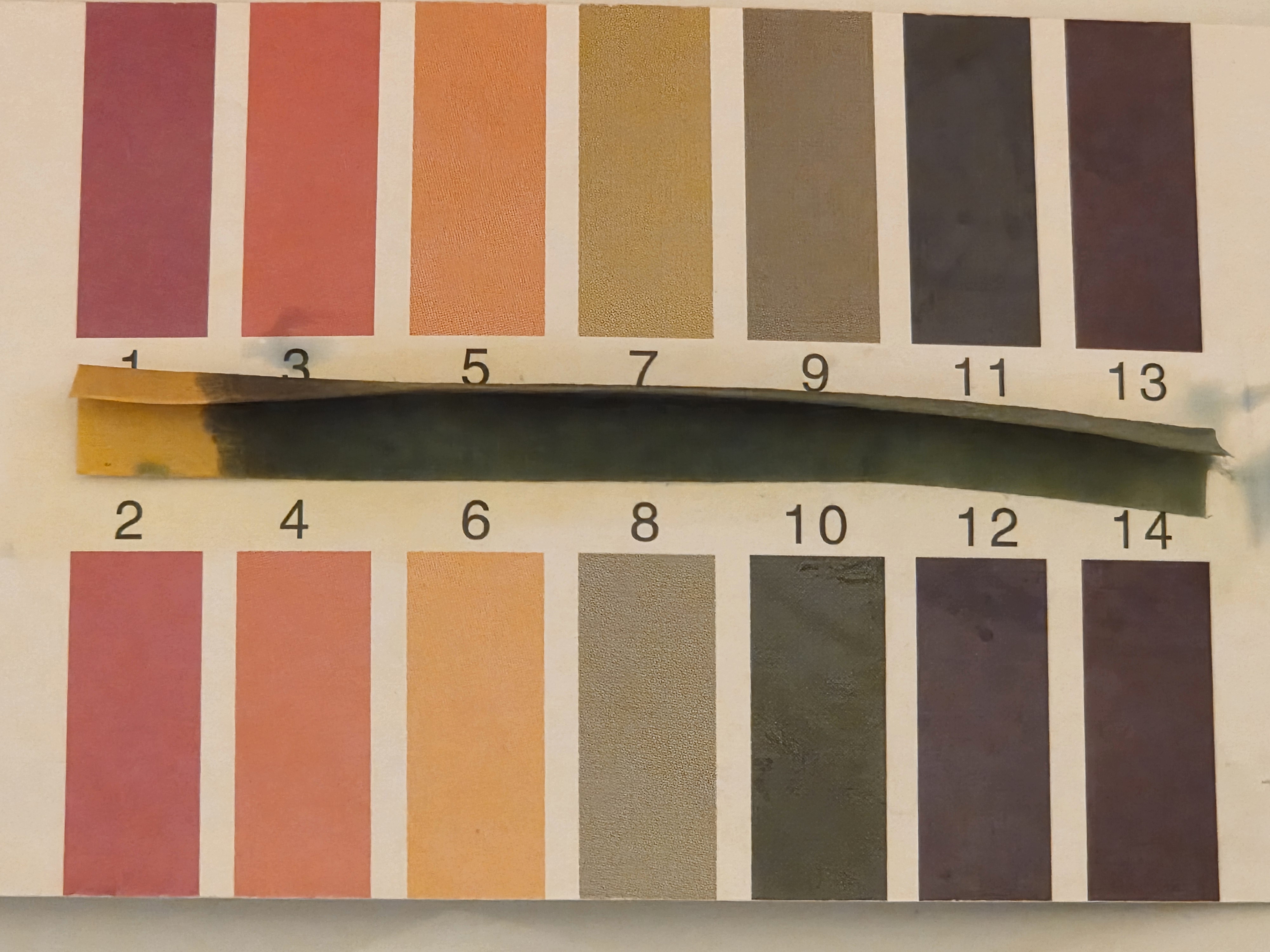 Example of pH around 10.
There is reliable evidence that urine becomes more acidic with age. At the same time because of Henderson-Hasselbalch the solubility of urate reduces. This has a tendency to cause
the body to retain more urate (uric acid) which can cause gout. There has been a limited amount of research on alkalinising urine to increase the excretion of urate. Some biohackers use this
technique with some success, but from a regulatory point of view the absence of any IP means funding the required regulatory approvals to get this into mainstream treatment would be hard.
With ketosis causing acidic urine from fasting and citrate supplementation causing alkaline urine urinary pH can swing from 5.5 to 10 in under 24 hours without any noticeable symptoms.
A chatGPT review of this poster said "A claimed urine pH around 10 is not a desirable therapeutic endpoint and should not be presented casually." Given that people who are on dialysis often
have high doses of sodium citrate (as an anticoagulant) and also people who receiving blood transfusions also have a high dose of sodium citrate it would not be surprising if they also had
quite alkaline urine if they were tested. However, people on dialysis often don't have any urine and those undergoing transfusion are not often also tested for urinary pH. Sadly the author's
normal blood panel does not include bicarbonate. This clearly is an area for additional research. The LLM made the valid point that persistent alkaline urine can promote the formation of
calcium phosphate stones. Citrate, however, will inhibit this. However, this does not prove that a urinary pH of 10 is either safe or desirable and people should be cautious. Therapeutic
targets are normally 6.0-6.8.
Renal net acid excretion capacity is comparable in prepubescence, adolescence, and young adulthood but falls with aging
Intestinal and fecal pH in human health
Association between the markers of metabolic acid load and higher all-cause and cardiovascular mortality in a general population with preserved renal function
Impact of adding urine alkalization therapy to xanthine oxidase inhibitor in gout management: a prospective cohort study
Dissolution of radiolucent renal stones by oral alkalinization with potassium citrate/potassium bicarbonate
HbA1c and rapamycin-associated insulin resistance
It is well known that Rapamycin can cause insulin resistance and as a result increase the level of serum glucose. As a by-product of doing weekly blood tests and taking Rapamycin
once every 6 weeks or less frequently it is possible to monitor the effect of this on glycated haemoglobin (HbA1c). Although there are a relatively small number (5) of
comparable results a pattern where HbA1c increases between a high rapamycin dose at around 7am on a Friday and HbA1c measured on a Monday with a blood draw around 11am has emerged.
The highest increase was from 29.62 mmol/mol to 36.77, but the average increase was only 3.6 mmol/mol. It is noteworthy that an increase in this biomarker is seen with
such a short interval between the dose being taken and the blood draw. Across the dosing cycle, however, HbA1c returns over the cycle back to approximately where it started.
Users of Rapamycin who dose less frequently need to be sensitive to the effect of timing of blood draws and when Rapamycin is taken as the value of HbA1c is perhaps more
volatile than would normally be thought.
Once again on rapamycin-induced insulin resistance and longevity: despite of or owing to
An academic review by chatGPT said this section should be removed because: "The claimed increase in HbA1c between Friday and Monday cannot reasonably be interpreted as a true physiological HbA1c response to a single rapamycin dose. HbA1c reflects glycation over the lifespan of circulating erythrocytes, weighted toward recent weeks, and mathematical work indicates that HbA1c is nearly constant in response to glucose oscillations with periods shorter than about seven days".
The section has remained in because the peaks in HbA1c are clearly associated with Rapamycin doses a few days earlier. HbA1c has two components: an aldimine component which is more labile and
a ketoamine element which is much more stable. Hence the movement over a short period (including a fasting day) is consistent with the underlying chemistry.
Phenotypic changes
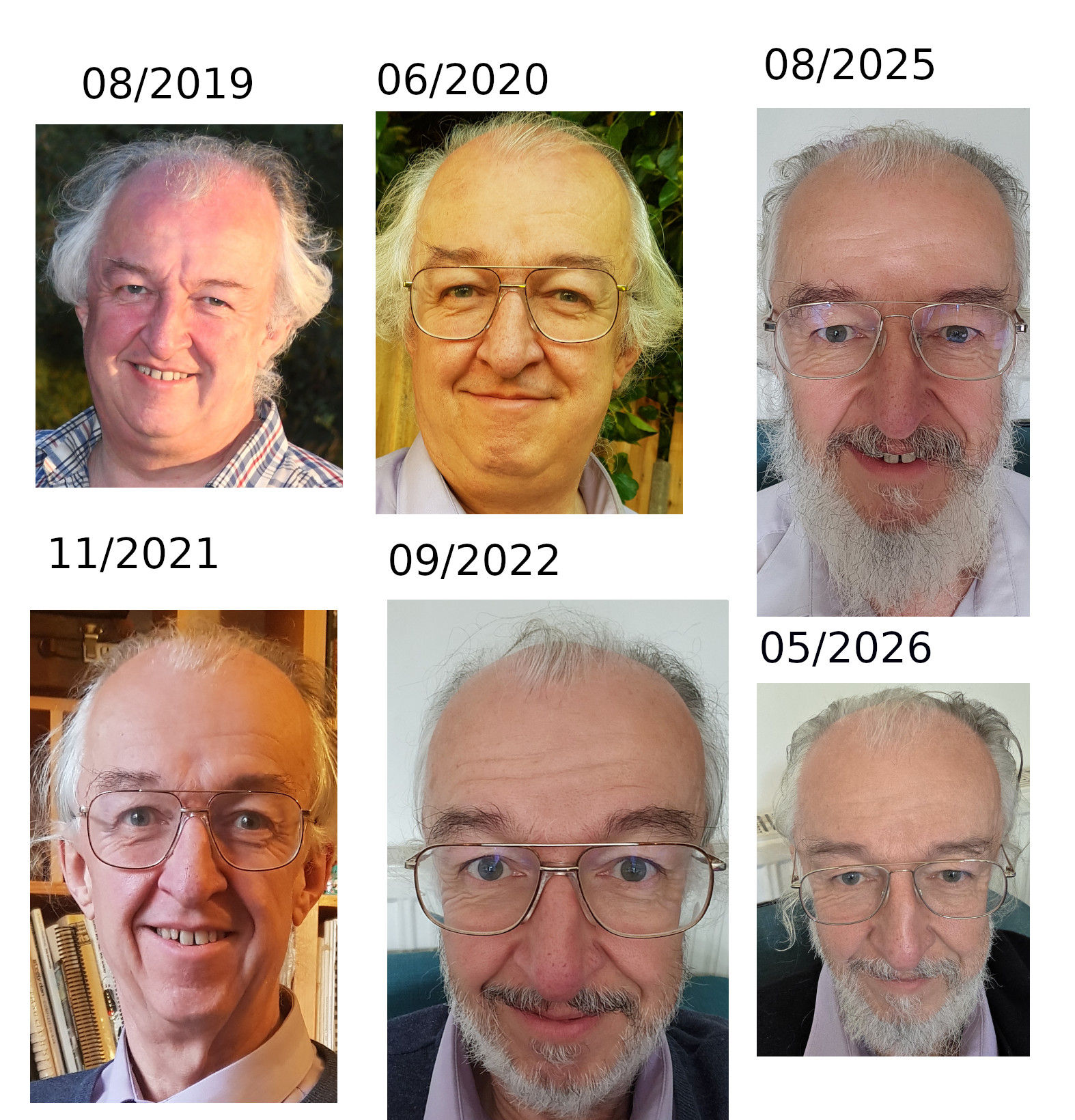
Once changes are made to the way genes are expressed it takes a while for the phenotype to change simply because all the proteins change gradually.

Conflicts of interest
The author has made patent applications in connection with his discoveries and has a company selling interventions based upon his inventions.
About the author
Born 1960
Educated: King Edwards School, Birmingham.
Scholarship to Magdalen College (Oxford), MA (Oxon) in Physics.
Formed his first business in 1983 which was sold in 2019
Councillor on Birmingham City Council 1990-2008
Deputy Leader of Birmingham City Council 2004-2005
Member of Parliament Birmingham, Yardley 2005-2015
Has been drummer in a heavy metal and punk band in the 1970s then moved into prog rock as a drummer, but more recently is the keyboard player in "John Hemming and the Jazz Lobbyists" a Birmingham-based jazz band.
Contact Email: john@hemming.email